
Small Business Insurance Quotes: A Complete Guide to Protecting Your Company

A lawsuit, fire or cyberattack can cost far more than most small companies keep in reserve. Comparing small business insurance quotes helps protect your income, property and reputation without paying for unsuitable coverage. Two policies with similar prices may respond very differently when a customer is injured or your premises must close.
This guide explains the main types of business insurance, realistic 2026 costs and the details owners in the United States and Saudi Arabia should compare.
What Small Business Insurance Actually Covers
Small business insurance is a collection of policies rather than one universal product. The right combination depends on what you sell, where you work, whether you employ people and how badly a claim could interrupt cash flow.
General liability insurance covers common third-party claims, including qualifying bodily injury, property damage and advertising injury. A retailer may use it when a shopper slips in the store, while a consultant may rely on it after damaging property at a client’s office.
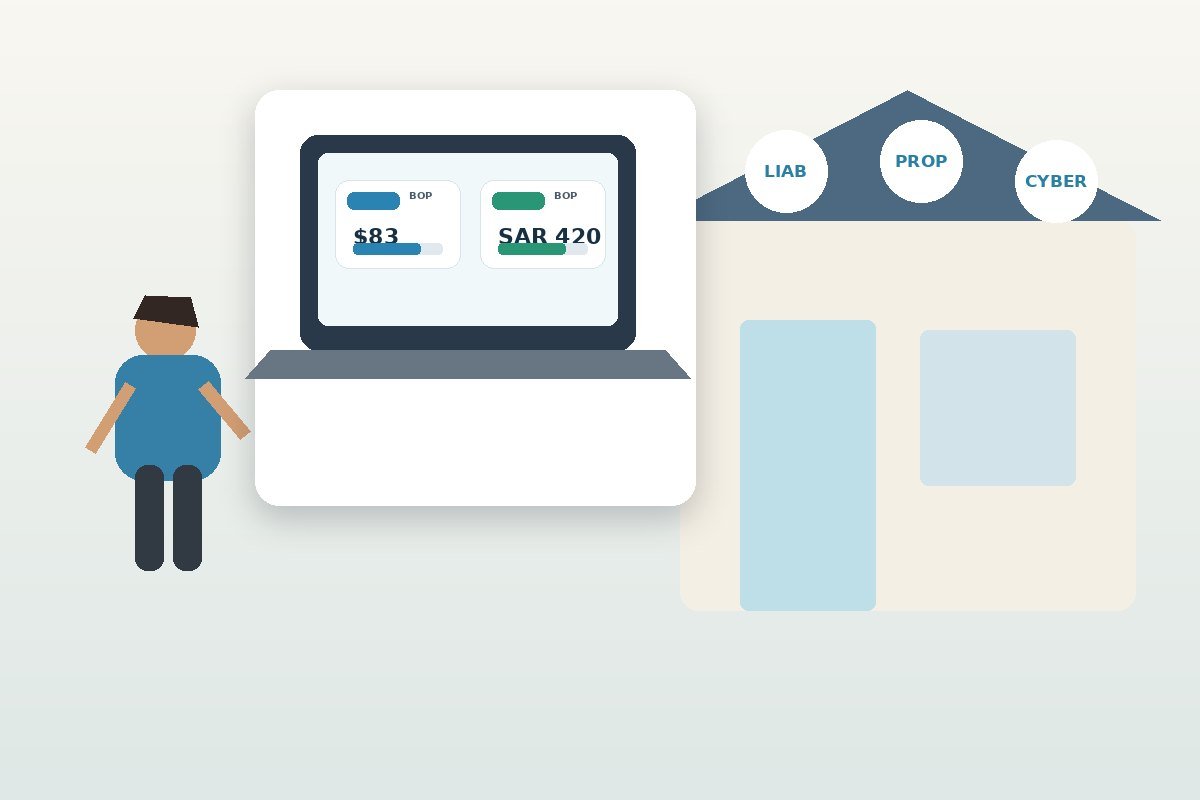
Commercial property insurance protects covered buildings, stock, furniture and equipment. Business interruption insurance can help replace lost revenue and pay continuing expenses when covered physical damage temporarily closes the business. The NAIC explains that a business owner’s policy, or BOP, typically packages liability, property and business interruption protection and may cost less than buying them separately.
A BOP does not solve every risk. Professional liability, workers’ compensation, commercial auto, cyber insurance and product liability may require separate policies.
How Much Do Small Business Insurance Quotes Cost?
Pricing varies because a home-based designer and a roofing contractor do not create the same exposure. Insureon’s March 2026 data placed the average general liability premium for its small-business customers at $45 per month, with annual costs ranging from about $250 to more than $3,000. Its 2026 analysis reported an average BOP price of $83 per month, or $990 per year.
The Hartford reported a higher average BOP cost of $1,687 per year, or about $141 per month, among its customers. The difference reflects varying industries, limits and underwriting methods rather than a guaranteed market rate.
A low-risk bookkeeping business might receive general liability offers between $350 and $900 per year. A café could pay $1,200 to $3,500 for a BOP, while a contractor with employees and vehicles could spend several thousand dollars across multiple policies. These are illustrations, not guaranteed quotations.
Higher limits usually cost more, while a larger property deductible may reduce the premium. The cheaper option only makes sense if the company can pay the deductible after a loss.
What Factors Affect Your Premium?
Industry is a major pricing factor. An office-based agency has fewer physical hazards than a construction company using tools at customer properties, so insurers price their risks differently.
Revenue, payroll, employee count and years in business can affect the rate. Insurers may also review previous losses, safety procedures and whether coverage has remained active.
Location influences property crime, weather exposure and building costs. Equipment and stock values shape commercial property premiums, while sensitive customer data can affect cyber coverage.
Higher limits, broader endorsements and lower deductibles generally increase the price. A landlord, lender or client may also require specific limits, so review contracts before requesting estimates.
How to Compare Quotes and Get the Best Rate
Start with a clear description of your business. Tell each insurer what you do, where work takes place, expected revenue and payroll, and whether employees drive or provide professional advice.
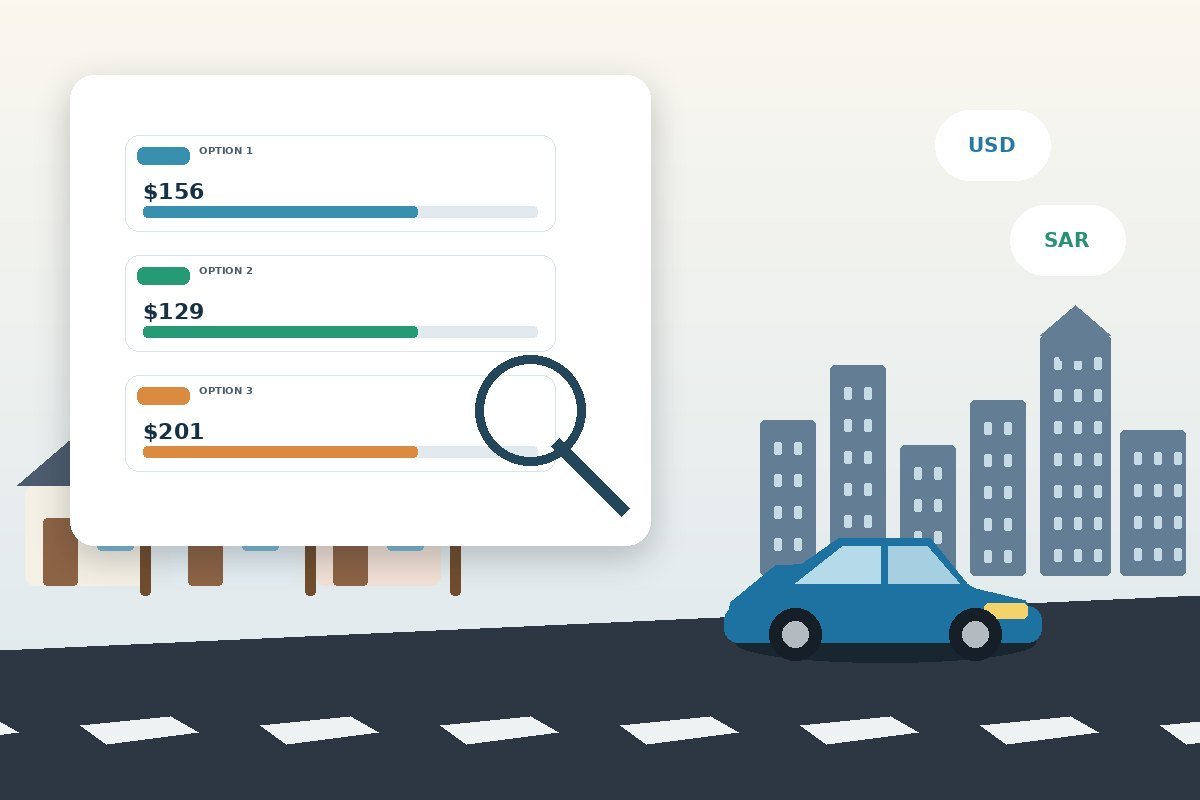
Request at least three offers using the same limits, deductibles and endorsements. Compare the policy wording rather than focusing only on the annual premium.
- Confirm which activities and locations are covered.
- Match liability and property limits across every quote.
- Review exclusions for professional work, vehicles and cyber incidents.
- Compare deductibles, deposits and installment fees.
- Check business interruption waiting periods.
- Verify that the insurer and agent are licensed in your state.
The SBA notes that legal insurance requirements vary by state. Workers’ compensation, unemployment and disability-related obligations can differ, so check the rules where the company operates.
Bundling liability and property in a BOP can be economical. Paying annually, improving workplace safety and selecting a manageable higher deductible may also reduce costs.
Business Insurance Saudi Arabia: What Owners Should Check
Entrepreneurs comparing business insurance Saudi Arabia options should build coverage around Saudi regulations, contracts and operating risks rather than copying a U.S. package. Relevant products may include property, public liability, professional indemnity, marine cargo, cyber, motor and employee medical insurance.
Private-sector employers must arrange cooperative health insurance for Saudi and non-Saudi employees through a qualified insurer. The Council of Health Insurance confirms that coverage applies during employment, including the probation period.
Other requirements may arise from a professional licence, lease, bank facility or client agreement. A logistics firm may need cargo and fleet protection, while a technology company may emphasize cyber and professional liability.
When reviewing business insurance Saudi Arabia, compare limits, exclusions, deductibles and territorial scope. Confirm that the insurer or intermediary appears through the Saudi Insurance Authority’s official resources.
Common Mistakes That Leave a Company Exposed
The first mistake is buying only general liability and assuming everything is covered. It does not normally replace professional liability, workers’ compensation, commercial auto or cyber insurance.
Home-based owners may assume a homeowners policy fully protects business equipment and customer claims. Coverage can be limited or excluded, so disclose the operation and ask whether separate insurance is needed.
Underestimating revenue, payroll or subcontractor costs can create problems during a premium audit. Keep accurate records and report major changes.
Do not ignore exclusions simply because the policy shows a high limit. A $1 million limit provides little help when the event falls outside covered activities.
Frequently Asked Questions
What insurance does a small business need first?
Many companies begin with general liability, while businesses that own equipment or occupy premises may benefit from a BOP. The right starting point depends on contracts, property, employees and professional exposure.
Is a business owner’s policy cheaper than separate coverage?
It often can be because liability, property and business income protection are bundled. Eligibility and savings vary, and specialist policies may still be required.
Do freelancers need business insurance?
A freelancer may need general or professional liability when a client could allege injury, property damage, negligence or financial loss. Some clients also require a certificate of insurance.
Is business insurance mandatory in Saudi Arabia?
There is no single policy that every Saudi company buys for every risk. Requirements depend on the activity and applicable rules, although private-sector employers have employee health insurance obligations.
Conclusion
Business insurance should protect the risks capable of interrupting operations, not simply satisfy a checkbox. Identify your property, liability, employee, vehicle and digital exposures, then compare policies with matching limits and exclusions.
Review coverage whenever the company hires staff, signs a major contract or launches a new service. Request several small business insurance quotes today and choose dependable protection at a sustainable price.