
Cheap Car Insurance Quotes in 2026: A Complete Buyer’s Guide
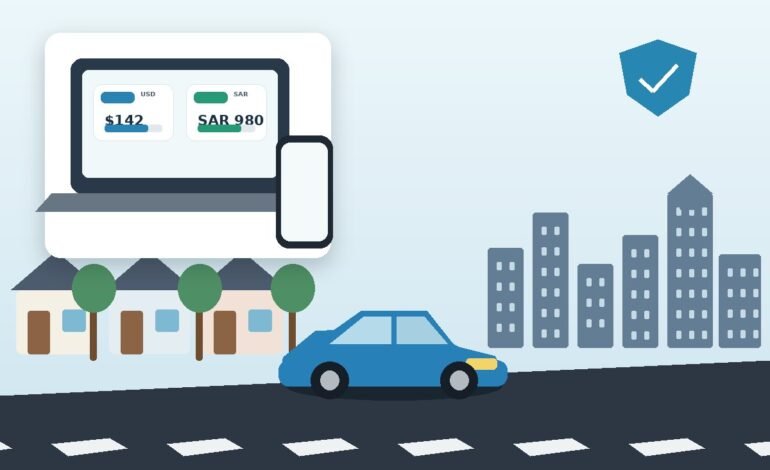

A car insurance quote is an estimate based on your ZIP code, vehicle, driving history, annual mileage and selected coverage. The final premium may change after the insurer verifies your driving and claims records.
In the United States, a basic policy usually begins with liability insurance, which pays for injuries or property damage you cause to others. State requirements differ, so the legal minimum in one state may provide more or less protection than the minimum in another.
Collision coverage helps pay for damage to your vehicle after an accident. Comprehensive coverage generally protects against theft, vandalism, hail, fire and other non-collision losses. The National Association of Insurance Commissioners recommends comparing matching coverage limits and deductibles because similar-looking quotes can provide very different levels of protection.
The cheapest policy is not automatically the best buy. State-minimum coverage may suit a driver with an inexpensive paid-off car, but it can be risky for someone with significant savings, a home or a newer vehicle. Financed and leased cars also commonly require collision and comprehensive coverage under the finance agreement.
How Much Does Car Insurance Cost in 2026?
There is no single national price because premiums depend heavily on location, coverage and driver profile. Experian reported an average U.S. car insurance cost of approximately $2,273 per year, or $189 per month, based on policies sold through its marketplace as of June 2026.
Another 2026 analysis estimated approximately $738 annually for state-minimum coverage and $2,578 for full coverage. The difference between these studies shows why national averages should be treated as benchmarks rather than guaranteed prices.
A clean-record driver in their 30s or 40s might receive quotes ranging from around $700 to $1,100 per year for basic liability and $1,700 to $3,000 for full coverage. Teenagers, drivers with recent accidents and residents of expensive urban areas may pay considerably more.
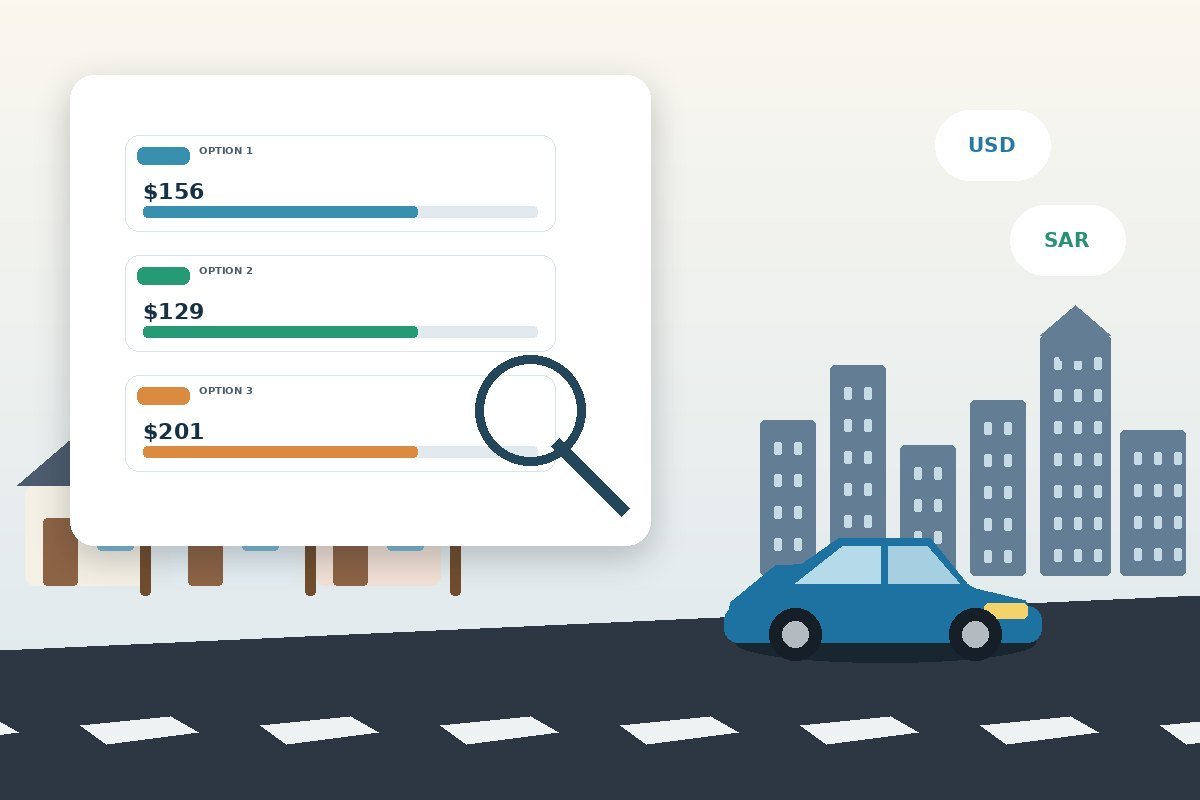
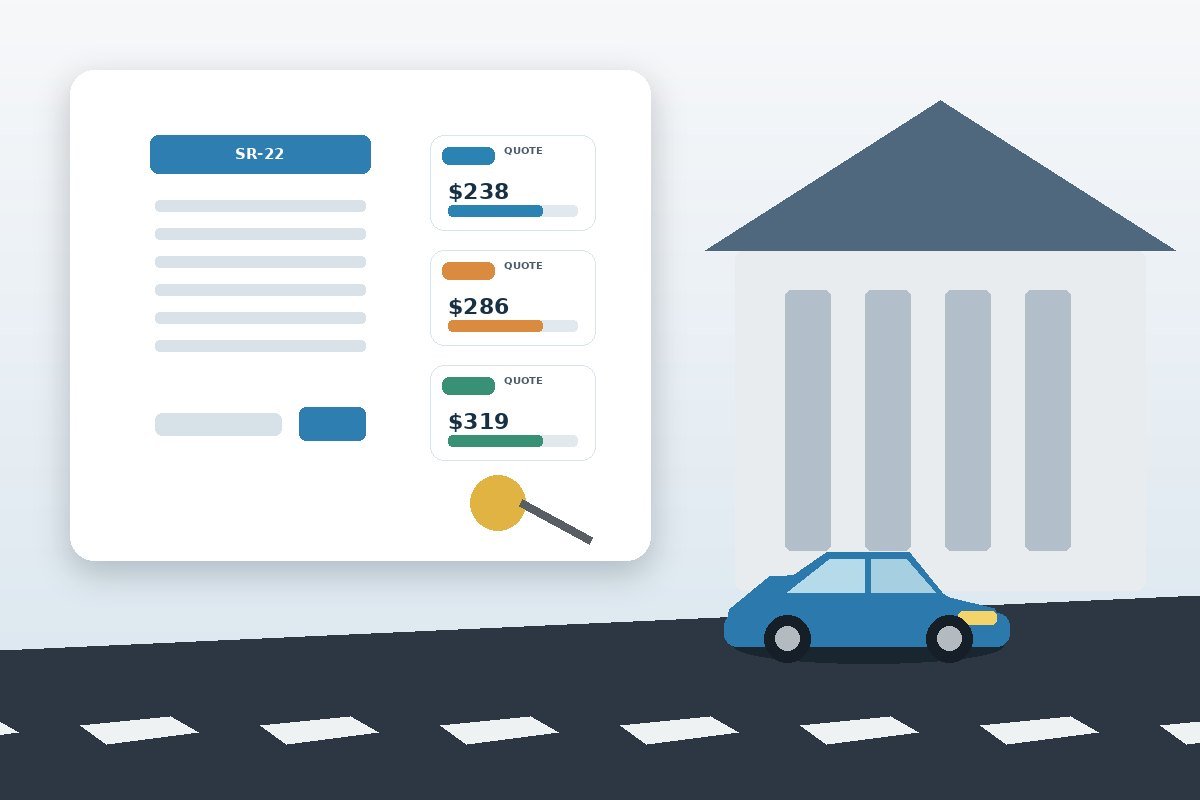
Suppose three insurers quote $1,850, $2,260 and $2,920 for equivalent annual full coverage. Choosing the lowest offer would save $1,070 compared with the highest, provided the liability limits, deductibles and optional benefits genuinely match.
The deductible also matters. A $1,000 collision deductible may produce a lower premium than a $250 deductible, but you must be able to pay that $1,000 after a covered accident. Saving on the premium is not helpful if the deductible makes your policy difficult to use.
What Affects the Price of Your Policy?
Insurance companies do not evaluate risk in exactly the same way. One insurer may offer its strongest rates to low-mileage motorists, while another may be more competitive for households with several vehicles.
Your driving record is usually a major influence, particularly when it includes at-fault accidents, speeding tickets or serious violations. Age and driving experience also matter. Younger motorists commonly pay more because insurers have less driving history available to assess.
The vehicle affects pricing through its repair costs, theft risk, safety record and replacement value. A moderately priced family sedan may cost less to insure than a luxury SUV with expensive technology and specialist replacement parts.
Location can affect the premium because accident frequency, medical expenses, theft, weather losses and repair prices differ between areas. Even moving to another ZIP code may change the price while your vehicle and driving record remain the same.
Higher liability limits and lower deductibles generally cost more because the insurer accepts more financial risk. In states where the practice is permitted, credit-based insurance information may also influence rates. Annual mileage, vehicle use, previous claims and prior insurance history can affect the final price as well.
USA and Car Insurance Saudi Arabia: Key Differences
Drivers searching for car insurance Saudi Arabia should not assume that American terminology and rules apply in the Kingdom. Saudi Arabia uses a compulsory third-party motor policy as the legal foundation of vehicle insurance.
Under the official unified policy, third-party coverage pays qualifying bodily injury, property damage and related expenses caused to another party. The combined maximum liability limit is SAR 10 million for one event during the policy period. Compulsory third-party insurance does not pay for damage to the insured person’s own vehicle.
Comprehensive motor insurance can add protection for the policyholder’s vehicle, subject to the policy terms, deductible and exclusions. In the United States, “full coverage” is an informal description normally used for a combination of liability, collision and comprehensive insurance rather than a standardized policy.
Saudi premiums vary according to the driver, vehicle, claims history, city and selected coverage. A Saudi consumer guide updated in July 2026 placed typical third-party prices at approximately SAR 600 to SAR 1,500 per year. Comprehensive protection can cost considerably more depending on the vehicle’s value, deductible and repair arrangement.
Anyone comparing car insurance Saudi Arabia options should look beyond the annual premium. Check whether repairs will be completed through an approved workshop or the vehicle dealership, whether roadside assistance is included and whether the policy provides coverage when driving elsewhere in the Gulf region.
How to Get the Cheapest Rate Without Cutting Essential Coverage
Start shopping before your current policy expires. Request every quote using the same drivers, vehicle details, liability limits and deductibles. Otherwise, an apparent saving may simply be the result of reduced protection.
Use this straightforward process:
- Decide on suitable liability limits before requesting prices.
- Choose deductibles you could pay from savings after an accident.
- Collect three to five quotes from national insurers, regional carriers and independent agents.
- Ask about multi-car, bundling, low-mileage and safe-driver discounts.
- Compare the complete policy-term cost, including installment fees.
- Review the insurer’s licensing, complaint record and claims support.
Raising a deductible can lower the premium, but the NAIC recommends considering whether you could absorb the larger out-of-pocket expense. It also suggests reviewing whether collision and comprehensive coverage remain worthwhile on an older, low-value vehicle unless a lender requires them.
Usage-based insurance may benefit careful or low-mileage drivers. These programs can monitor mileage, braking, acceleration, cornering and driving times, so read the privacy and pricing terms before enrolling.
Discounts should be judged by the final premium rather than the advertised percentage. An insurer offering a 20% bundling discount could still be more expensive than a competitor offering no bundle discount at all.
Common Comparison Mistakes to Avoid
The most common mistake is comparing policies with different limits. A quote offering $25,000 of property damage liability is not equivalent to one offering $100,000, even when both insurers describe their policies as standard coverage.
Another mistake is selecting a deductible that would be difficult to pay. Saving a few dollars each month is not worthwhile if a $2,000 deductible would prevent you from repairing your vehicle.
Do not cancel your existing insurance until the replacement policy is active and you have received proof of coverage. An accidental lapse can leave you uninsured and may affect the prices available to you later.
Information provided on the application should also be accurate. Undisclosed household drivers, incorrect annual mileage or an inaccurate description of how the vehicle is used could change the final premium and complicate a future claim.
Finally, do not renew automatically without checking the market. Insurance pricing changes over time, so last year’s cheapest company may not remain the best value in 2026.
Frequently Asked Questions
How many car insurance quotes should I compare?
Three is a sensible minimum, but comparing five quotes provides a broader view of the market. Include national insurers, regional companies and an independent agent where available.
Is minimum coverage always the cheapest option?
Minimum coverage generally has the lowest premium because it provides less protection. However, it may leave you responsible for your own vehicle damage and any liability costs exceeding the policy limits.
Is car insurance mandatory in Saudi Arabia?
Yes. Saudi Arabia’s unified compulsory motor policy establishes third-party liability insurance as the required foundation of motor coverage. Drivers who want protection for their own vehicle should compare comprehensive policies.
Does requesting a quote hurt my credit score?
Requesting an auto insurance quote does not normally affect your credit score. Insurers may still use credit-based insurance information to calculate premiums where state law permits the practice.
Conclusion
Affordable car insurance comes from comparing equivalent protection rather than clicking the lowest monthly price. Review the liability limits, deductibles, exclusions, repair benefits and claims support before making your decision.
Whether you are shopping in the United States or Saudi Arabia, comparing several insurers can produce meaningful savings. Gather cheap car insurance quotes today and choose dependable protection at a price you can comfortably afford.