
General Liability Insurance for Contractors: What It Covers and Why You Need It

One accident at a job site can turn a profitable project into an expensive legal problem. General liability insurance for contractors helps pay covered costs when a client, visitor or another third party claims that your work caused injury, property damage or certain advertising harm. It can also satisfy insurance requirements written into leases and customer contracts.
The policy does not replace every form of business insurance. Understanding its limits is the best way to avoid paying for coverage that still leaves a serious gap.
What General Liability Insurance Covers
General liability is designed mainly for claims made by people outside your business. The U.S. Small Business Administration describes it as protection against financial loss resulting from bodily injury, property damage, medical expenses, libel, slander, legal defence and settlement costs.
Imagine that a customer trips over an extension cable and fractures a wrist. The policy may help with eligible medical expenses, legal defence and a settlement, subject to its limits. It may also respond if a worker accidentally damages a customer’s flooring while moving equipment.
For contractors, products-completed operations coverage is especially important. A claim can emerge after the project has finished—for example, if an incorrectly installed fixture later falls and damages property.
General liability does not normally cover employee injuries, damage to your own tools, professional design errors, vehicle accidents or deliberate damage. Those risks may require workers’ compensation, tools and equipment coverage, professional liability or commercial auto insurance.
How Much Does Contractor Liability Insurance Cost?
Contractors usually pay more than low-risk office businesses because job sites involve tools, ladders, customer property and physical work. Insureon reports that construction businesses and contractors pay an average of about $82 per month, or $981 per year, for general liability coverage. Its general-contractor customers pay a higher average of roughly $142 per month, or $1,700 annually.
These figures are benchmarks, not guaranteed quotes. A self-employed painter might receive annual offers between $650 and $1,400, while a general contractor supervising employees and subcontractors could see prices between $1,500 and $4,000 or more. These examples are illustrative.
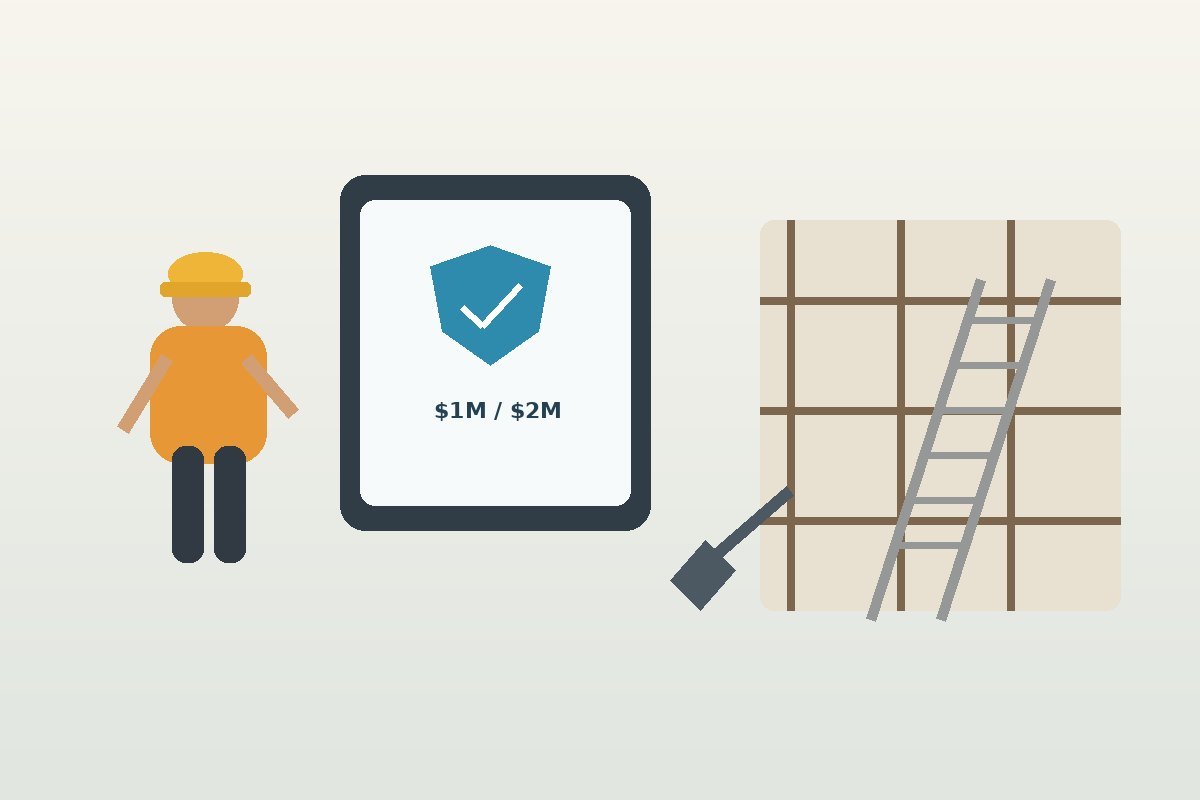
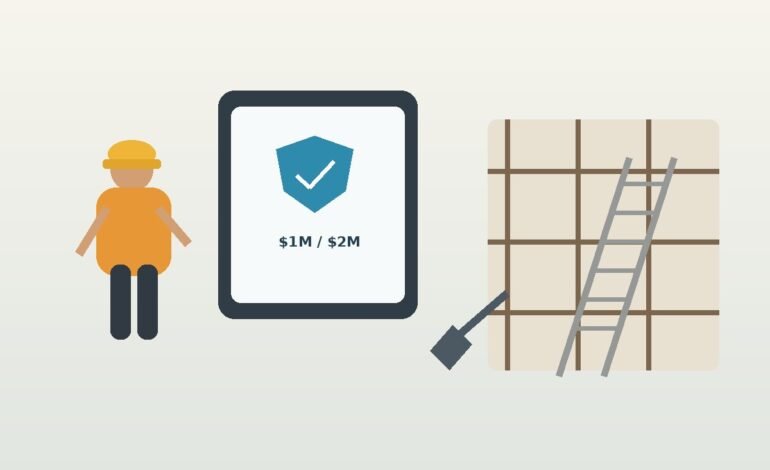
Policy limits also affect cost. Most Insureon customers who purchase general liability choose a $1 million per-occurrence limit and a $2 million aggregate limit. The first figure is the maximum available for one covered incident, while the aggregate is the total available during the policy term.
A cheap policy may include a large deductible, restrictive exclusions or weaker completed-operations protection. Compare the annual premium with the amount your business could realistically absorb after a claim.
What Factors Affect the Price?
The type of work is one of the strongest pricing factors. A handyman completing minor interior repairs normally presents a different risk from a roofing, excavation or structural contractor.
Insurers may consider annual revenue, payroll, employee count, subcontractor costs, years in business and previous claims. Location matters because state rules, litigation patterns, weather risks and construction costs vary.
Requested limits and endorsements also affect the quote. A contractor seeking higher limits, blanket additional-insured status and broader completed-operations protection will normally pay more than a sole trader buying basic coverage.
Safety procedures, employee training and properly maintained equipment may reduce preventable losses. A strong claims history can also make future renewals easier to place.
How to Compare General Liability Insurance for Contractors
Start with the contracts you sign most often. A client or general contractor may require specific limits, additional-insured wording or a waiver of subrogation. Give these requirements to the agent before requesting a price.
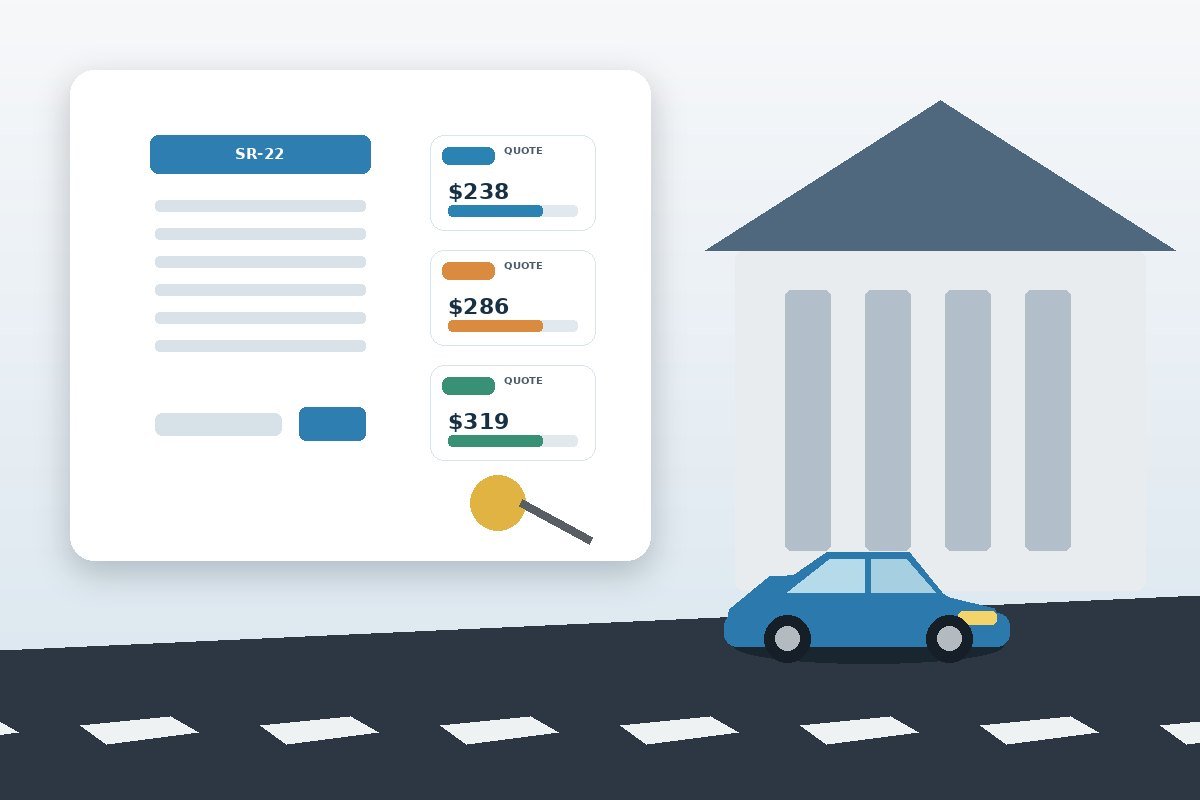
Collect at least three comparable quotes using the same revenue, payroll, business activities, limits and subcontractor information.
- Confirm that every trade and service is listed.
- Compare per-occurrence and aggregate limits.
- Review completed-operations protection.
- Check exclusions for roofing, height or subcontracted work.
- Compare deductibles, deposits and instalment fees.
- Ask how quickly certificates of insurance can be issued.
Do not choose solely by the first-year price. Claims support, financial strength and clear policy wording matter when a customer demands payment or a project owner needs an updated certificate quickly.
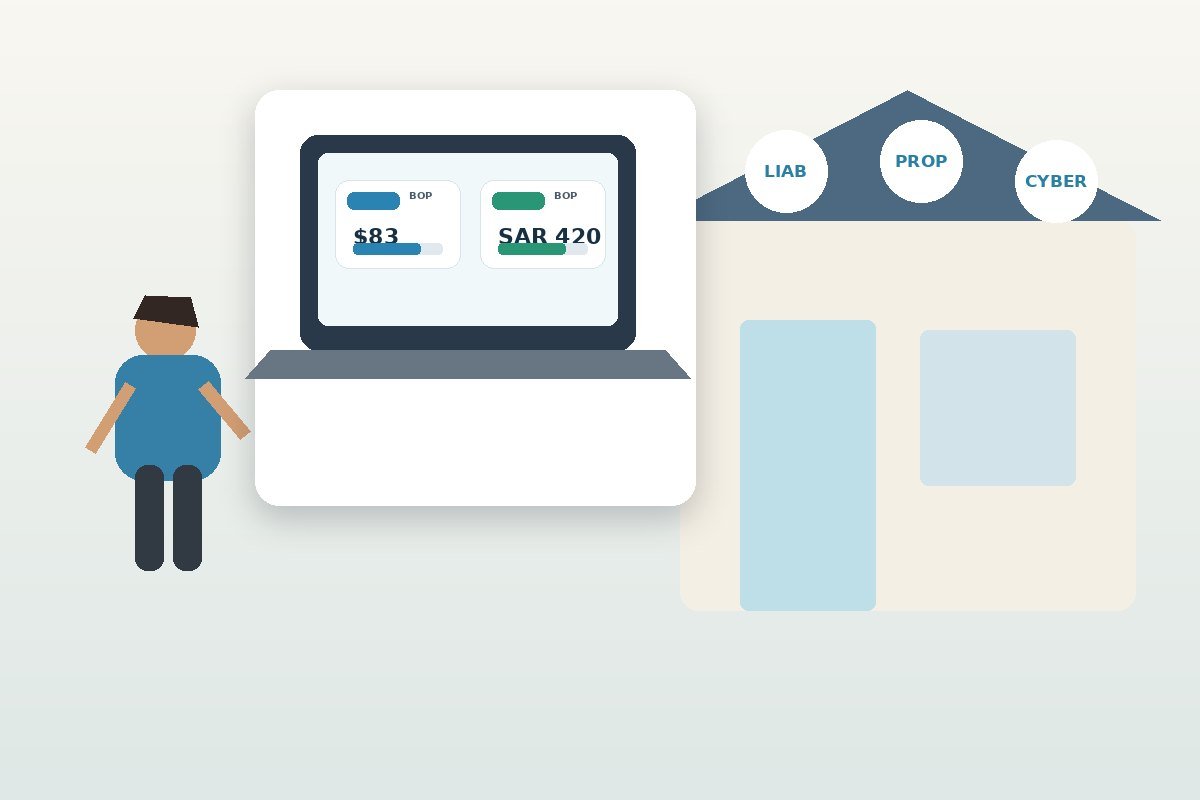
Bundling general liability with commercial property in a business owner’s policy may save money for eligible firms. The NAIC explains that a BOP typically combines liability, property and business-interruption protection, although separate commercial auto, workers’ compensation and specialist policies may still be needed.
SME Insurance Saudi Arabia: What Contractors Should Check
The phrase SME insurance Saudi Arabia refers to a range of products rather than one universal contractor policy. A Saudi construction or maintenance business may need public liability, property, professional indemnity, plant and machinery, fleet, cyber or employee medical protection.
Private-sector employers must arrange cooperative health insurance for Saudi and non-Saudi employees and eligible family members through a qualified insurer. That obligation is separate from liability protection for job-site accidents or damage to customer property.
Saudi business owners should confirm that an insurer or intermediary appears on the Insurance Authority’s licensed-entities list, which was updated in July 2026. Monsha’at’s Mazaya platform also provides SME-focused insurance comparison and advisory services.
When comparing SME insurance Saudi Arabia options, check territorial limits, deductibles, subcontractor treatment and whether a client must be named on the policy. The cheapest package is only useful when it matches the work your company actually performs.
Common Mistakes Contractors Should Avoid
The most dangerous mistake is describing the business too narrowly. A contractor insured for interior painting may not be covered for occasional roofing or structural work if those activities are excluded.
Another problem is assuming subcontractors are automatically protected. Require them to maintain suitable insurance, collect current certificates and confirm how your own policy treats subcontracted work.
Do not confuse general liability with workers’ compensation. General liability primarily addresses third-party claims, while employee injuries are handled under different coverage and state rules.
Finally, keep revenue, payroll and subcontractor figures accurate. When a policy is subject to an audit, inaccurate estimates can result in an additional premium.
Frequently Asked Questions
Is General Liability Insurance Legally Required for Contractors?
There is no single nationwide rule covering every contractor. State licensing requirements, leases and customer contracts differ, so check the rules and agreements applying to your trade. The SBA advises businesses to review state-specific insurance obligations.
Does General Liability Cover Faulty Workmanship?
It may cover resulting third-party injury or property damage, but it does not usually act as a warranty that simply pays to redo poor work. Policy wording and state law can affect the outcome.
Can a Sole Contractor Buy This Coverage?
Yes. A self-employed contractor can purchase a policy without having employees, and clients may request a certificate of insurance before work begins.
What Should I Compare When Buying SME Insurance Saudi Arabia?
Review the insured activities, liability limits, deductibles, exclusions, subcontractor conditions and the provider’s regulatory status. Employee health insurance obligations should be handled separately.
Conclusion
Contractors face risks that can continue after a project is completed. The right policy can help with covered injury claims, property damage, legal defence and completed-work allegations, but only when the insured operations and limits match the business.
Compare several policies, read the exclusions and confirm every contract requirement before starting work. Request general liability insurance for contractors quotes today and choose protection strong enough to safeguard your next project and your company’s future.