
High Risk Auto Insurance: How to Get Covered After a DUI or Accident

A DUI conviction, serious traffic violation or at-fault crash can make ordinary car insurance much harder to afford. High risk auto insurance helps drivers remain legally insured when standard companies raise their premiums, refuse renewal or require proof of financial responsibility. Although coverage may be expensive at first, comparing specialist and mainstream insurers can prevent you from paying far more than necessary.
The situation is rarely permanent. A clean driving record, continuous coverage and careful shopping can gradually improve the rates available to you.
What Is High Risk Auto Insurance?
High-risk insurance is not one standardized policy. It is an informal description for coverage sold to drivers whom insurers believe are more likely than average to file an expensive claim.
Insurance companies use underwriting to decide whether they will accept an applicant and rating to calculate the premium. Driving history, previous claims, vehicle use and personal information permitted under state law can all influence that decision.
A driver may be placed in a higher-risk category after:
- A DUI or DWI conviction
- One or more at-fault accidents
- Repeated speeding or reckless-driving violations
- Driving without insurance
- A suspended or revoked licence
- Several claims within a short period
- A long lapse in car insurance
- Limited driving experience
A single minor ticket does not necessarily force someone into a non-standard insurance market. The seriousness and timing of the incident matter, as does the insurer’s own underwriting formula.
Some mainstream companies continue covering drivers after an accident or DUI but charge a higher premium. Others may refuse to renew the policy, leaving the driver to approach a non-standard insurer or independent agent.
Drivers unable to obtain insurance through the voluntary market may have access to a state assigned-risk plan. The NAIC defines assigned risk as a government-established pool for business declined by companies in the standard market. These arrangements are generally treated as a last resort rather than the first place to shop.
How Much Does High Risk Auto Insurance Cost?
The price depends on the violation, state, insurer, vehicle and selected coverage. A 2026 national analysis placed average full-coverage car insurance at approximately $2,495 per year, but a serious driving offence can push the premium far beyond that benchmark.
Bankrate’s 2026 analysis found that a DUI increased full-coverage premiums by an average of approximately 96%. It also showed how strongly location matters: average post-DUI prices ranged from about $202 per month in Idaho to $671 per month in Michigan.
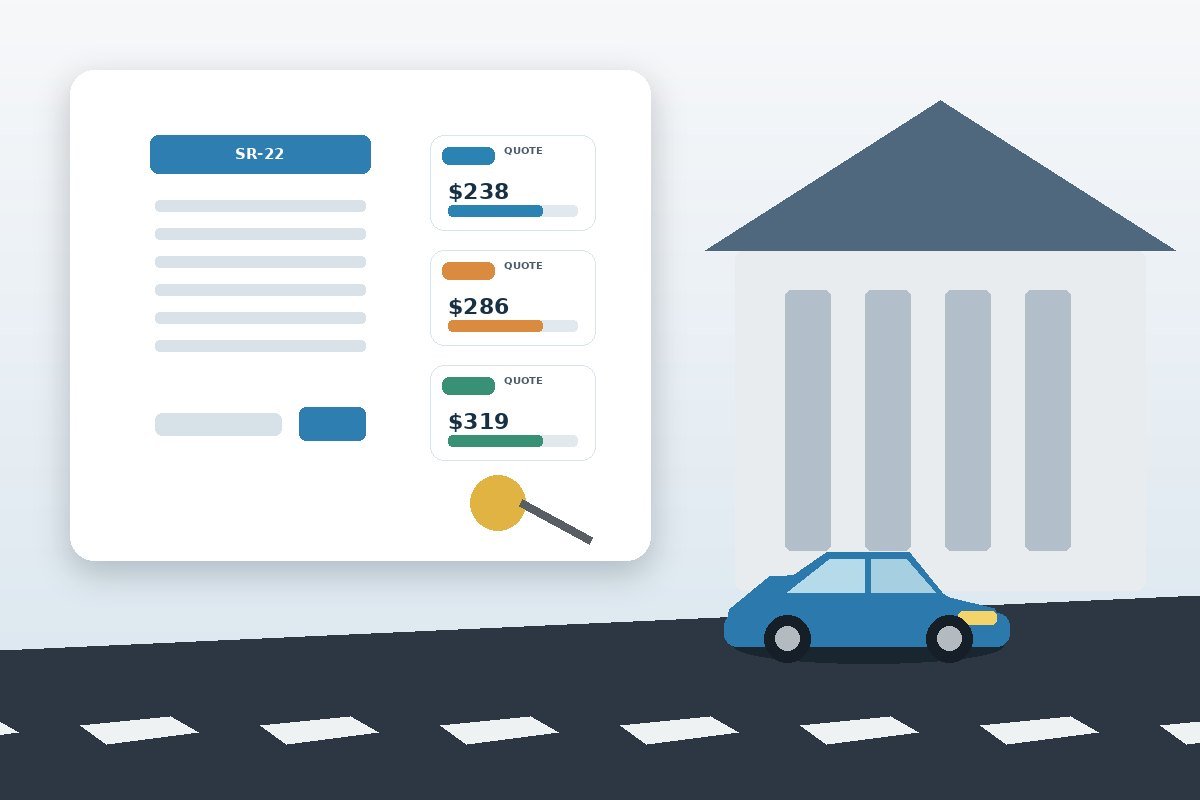
An at-fault accident can also create a substantial increase. A driver previously paying $2,100 per year might receive renewal or replacement offers of $3,200, $4,150 and $5,300 after a serious crash. These are illustrative figures, but a difference of more than $2,000 between insurers is realistic when companies evaluate the same violation differently.
The cost of the accident itself also matters. A small property-damage claim may be treated differently from a collision involving injuries or a total loss. Multiple incidents within a few years generally make finding an affordable policy more difficult.
A DUI-related increase may remain influential for several policy periods, although the exact duration depends on state law, the insurer and how long the conviction remains relevant to underwriting. Maintaining a clean record after the offence gives you the best chance of qualifying for improved rates later.
SR-22 Requirements After a DUI or Licence Suspension
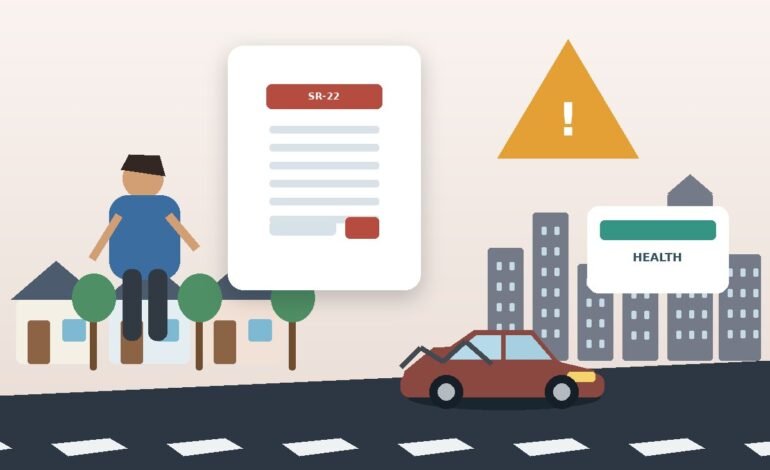
An SR-22 is not a special insurance policy. It is a certificate filed by an insurer to show that a driver carries the liability coverage required by the applicable state.
Not every high-risk driver needs one. The requirement may follow offences such as a DUI, driving without insurance or certain licence suspensions, but rules differ significantly between states.
California, for example, requires a driver convicted of DUI to file an SR-22 or SR-1P as part of the process associated with restoring or restricting driving privileges. The driver may also have to complete a DUI program, pay reinstatement fees and, in some cases, install an ignition interlock device.
The insurance company normally charges a relatively small filing fee. The expensive part is usually the underlying violation that caused the filing requirement, not the certificate itself.
Do not allow a required policy to lapse. When coverage ends, the insurer may notify the state, potentially causing another suspension or extending the period during which proof must be maintained.
A person who does not own a vehicle may still need a non-owner policy with the required filing. This can provide liability protection when occasionally driving a borrowed or rented vehicle, but it does not normally insure a personally owned car.
How to Get the Cheapest Rate After an Accident or DUI
Begin shopping as soon as you receive a non-renewal notice or learn that a financial-responsibility filing will be required. Waiting until the final day can leave you with fewer choices and increase the risk of a coverage lapse.
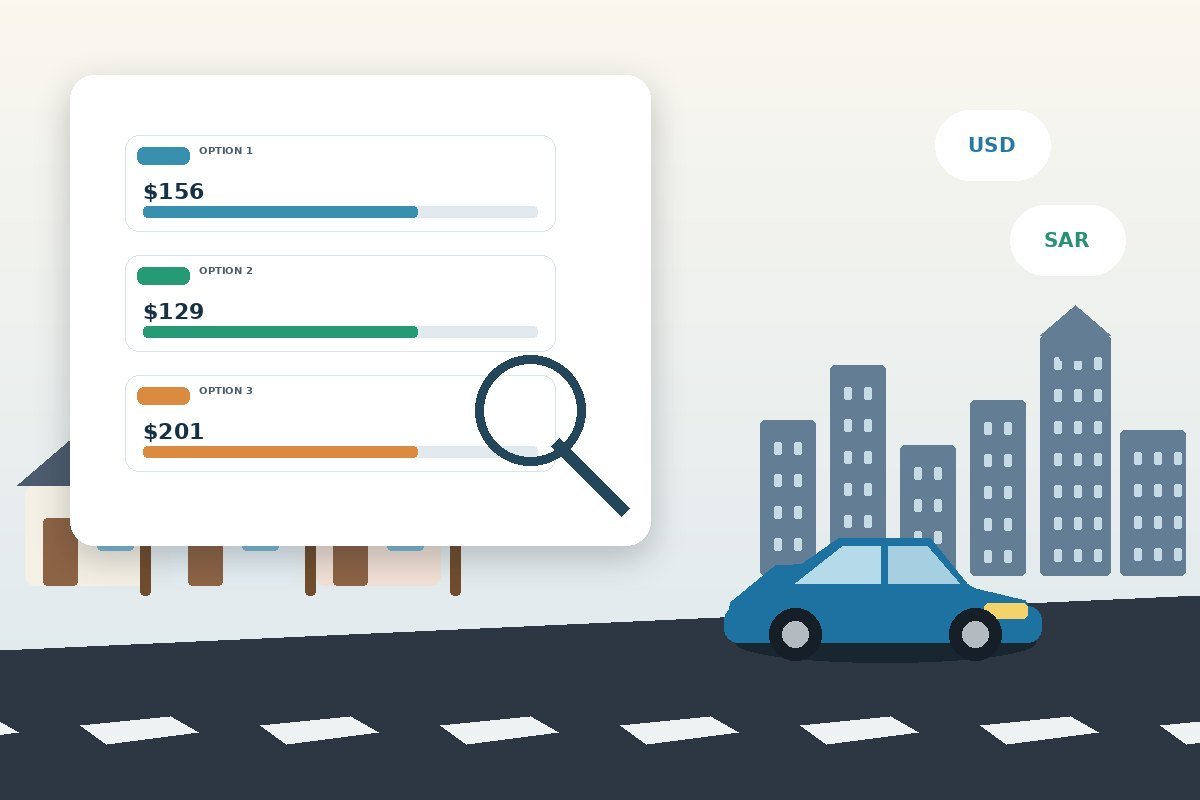
Request quotes from both standard and non-standard insurers. An independent insurance agent may be particularly useful because they can approach several companies instead of offering only one insurer’s policy.
When comparing high risk auto insurance, keep the liability limits, deductibles and vehicle coverages identical. One quotation may appear cheaper simply because it offers lower limits or removes collision and comprehensive protection.
Use the following strategy:
- Obtain at least three to five comparable quotes.
- Tell each insurer exactly what violation or accident occurred.
- Confirm whether an SR-22 or other filing is included.
- Ask about automatic-payment, multi-car and defensive-driving discounts.
- Compare the total six-month or annual premium.
- Check the deductible and deposit before accepting the policy.
Continuous insurance is important. Cancelling a policy before the replacement becomes active creates a lapse that may lead to higher prices and legal problems.
Consider raising your collision or comprehensive deductible only when you have enough savings to pay it after a claim. Reducing optional coverage on an older paid-off vehicle may lower the premium, but never remove protection required by a lender.
The most valuable long-term step is avoiding additional incidents. Insurers generally place greater weight on recent violations, so safe driving over the following years can gradually improve your options. Progressive advises drivers recovering from a DUI-related increase to maintain continuous coverage and avoid new tickets or accidents.
Comparison Mistakes That Keep Premiums High
One common mistake is staying with the same insurer without checking alternatives. The company that offered your best clean-record price may become one of the most expensive after a DUI or accident.
Another mistake is hiding the incident on an application. Insurers can review motor vehicle and claims records, so inaccurate information may change the quoted premium or create complications when a claim is investigated.
Do not assume that liability-only insurance is always the smartest solution. It may reduce the premium, but it will not normally pay to repair your own car after a collision. If the vehicle is financed or leased, removing collision and comprehensive coverage may also violate the agreement.
Drivers should also avoid an assigned-risk plan until ordinary and specialist options have been explored. Assigned-risk coverage serves an important purpose when the voluntary market refuses an applicant, but it may provide limited choices at a relatively high cost.
Finally, compare payment terms. A company may advertise a manageable monthly price while requiring a substantial deposit or charging repeated instalment fees. The full policy-term cost gives a more accurate picture.
Saudi Residents: Motor Cover and Health Insurance Are Separate
Readers researching health insurance Saudi Arabia should understand that medical and motor policies serve different purposes. A high-risk U.S. auto policy, SR-22 filing or accident surcharge does not replace Saudi health coverage.
In Saudi Arabia’s private sector, employers are required to arrange cooperative health insurance for Saudi and non-Saudi employees and their eligible family members. The Council of Health Insurance also confirms that employee coverage applies during the probation period.
Someone moving between the United States and Saudi Arabia should therefore review each obligation separately. U.S. auto insurance may still be required when maintaining or driving a vehicle there, while health insurance Saudi Arabia provides access to covered medical care under its own policy terms and provider network.
Motor accident injuries may involve both auto and medical insurance questions, but the order of payment and available benefits depend on the policies and local rules. Policyholders should contact the relevant insurer rather than assuming one product automatically covers every expense.
Frequently Asked Questions
Can an insurance company refuse to cover me after a DUI?
Yes, an individual insurer may decline a new application or decide not to renew an existing policy, subject to state rules. Other mainstream or non-standard insurers may still offer coverage, and an assigned-risk plan may be available as a last resort.
How long will an accident affect my insurance premium?
There is no nationwide period that applies to every company. The effect depends on the state, severity of the incident, insurer and time since the claim. Rates may improve gradually when no additional accidents or violations occur.
Is an SR-22 the same as high-risk insurance?
No. An SR-22 is proof filed by an insurance company showing that you carry the required liability coverage. The policy itself may be issued by a standard or specialist insurer.
Does health insurance Saudi Arabia cover vehicle damage?
No. Health insurance Saudi Arabia covers eligible healthcare services according to the medical policy. Vehicle damage and third-party motor liability require appropriate Saudi motor insurance.
Conclusion
A DUI or at-fault accident can make car insurance more expensive, but it does not eliminate every coverage option. Compare standard and specialist insurers, disclose the incident accurately, keep your policy active and check whether your state requires an SR-22 or similar filing.
Do not judge a policy by its monthly payment alone. Review its liability limits, deductibles, exclusions and total cost, then request several high risk auto insurance quotes to find the strongest available protection at a manageable price.