


Full Coverage Auto Insurance Explained: What It Covers and What It Costs

A serious accident can leave you facing repair bills, medical expenses and liability claims at the same time. Full coverage auto insurance offers broader protection than a basic liability policy, but the name can create unrealistic expectations about what is actually covered. It is not a single standardized product, and it does not protect against every possible loss.
Before paying for a policy, you should understand its individual coverages, deductibles and exclusions. This guide explains what drivers in the United States and Saudi Arabia should check before purchasing broader vehicle protection.
What Full Coverage Auto Insurance Really Means
“Full coverage” is an informal term commonly used by American insurers, agents and drivers. It generally describes a policy combining liability insurance, collision coverage and comprehensive coverage.
There is technically no universal policy called full coverage. Each part of an auto policy is purchased with its own limits, deductibles and conditions, so two policies carrying the same label may provide very different protection. The National Association of Insurance Commissioners specifically warns consumers that there is no single “full coverage” policy.
Liability insurance pays eligible costs when you cause bodily injury or property damage to another person. Collision coverage helps repair or replace your own vehicle after it collides with another car or object, while comprehensive coverage applies to many non-collision losses.
A lender or leasing company will usually require collision and comprehensive coverage until the loan or lease ends. This requirement protects the company’s financial interest in the vehicle, but it does not necessarily mean your personal liability limits are high enough.
What Does a Full-Coverage Policy Pay For?
The liability portion of the policy can pay for another person’s injuries, vehicle repairs or damaged property when you are legally responsible for an accident. It only pays up to the limits shown on your policy, leaving you potentially responsible for costs above those limits.
Collision insurance covers qualifying damage to your vehicle after a crash with another car or an object. It may also apply when the vehicle overturns or hits a pothole, depending on the policy terms.
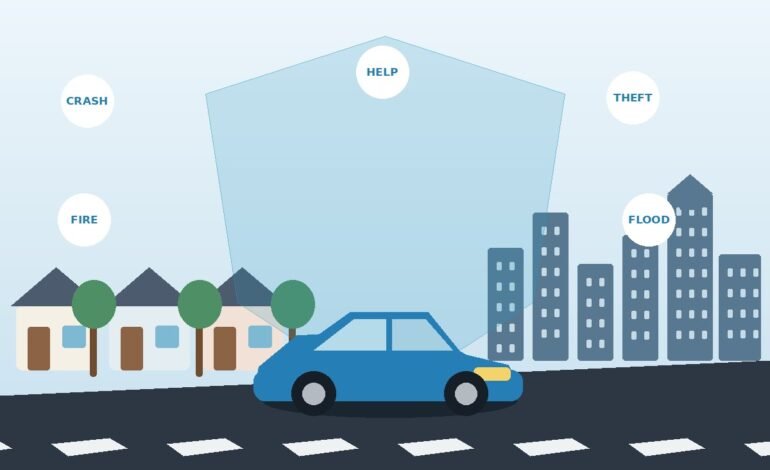
Comprehensive insurance handles many losses unrelated to a collision. Common examples include theft, fire, flooding, hail, windstorms, vandalism, falling objects and contact with an animal.
A broader policy may also include uninsured motorist protection, underinsured motorist coverage, personal injury protection or medical payments coverage. Some of these are required in particular states, while others are optional.
However, full coverage does not automatically include every benefit available from an insurer. The following may need to be added separately:
- Rental car reimbursement
- Roadside assistance
- New-car replacement
- Gap insurance
- Custom equipment coverage
- Rideshare or delivery-driver protection
Normal wear, mechanical failure and routine maintenance are generally not treated as covered insurance losses. Damage caused deliberately, commercial use not disclosed to the insurer and incidents involving excluded drivers may also fall outside the policy.
How Much Does Full Coverage Cost in 2026?
NerdWallet’s August 2026 rate analysis placed the average U.S. price of full coverage at approximately $2,356 per year, or $196 per month. Minimum coverage averaged about $646 annually, illustrating the additional cost of protecting your own vehicle with collision and comprehensive insurance.
These averages should not be treated as expected quotations. The same analysis found average full-coverage prices ranging from approximately $1,148 per year in Wyoming to $4,482 in Louisiana, showing how strongly location can affect premiums.
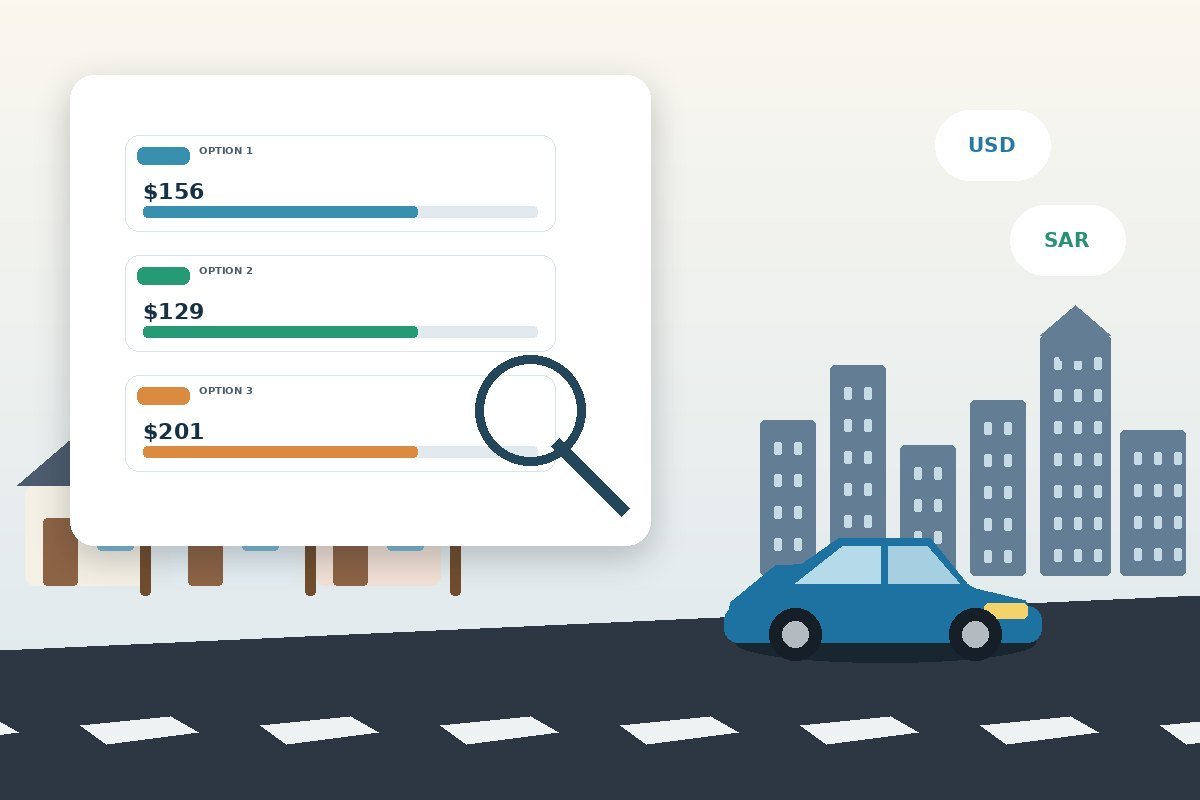
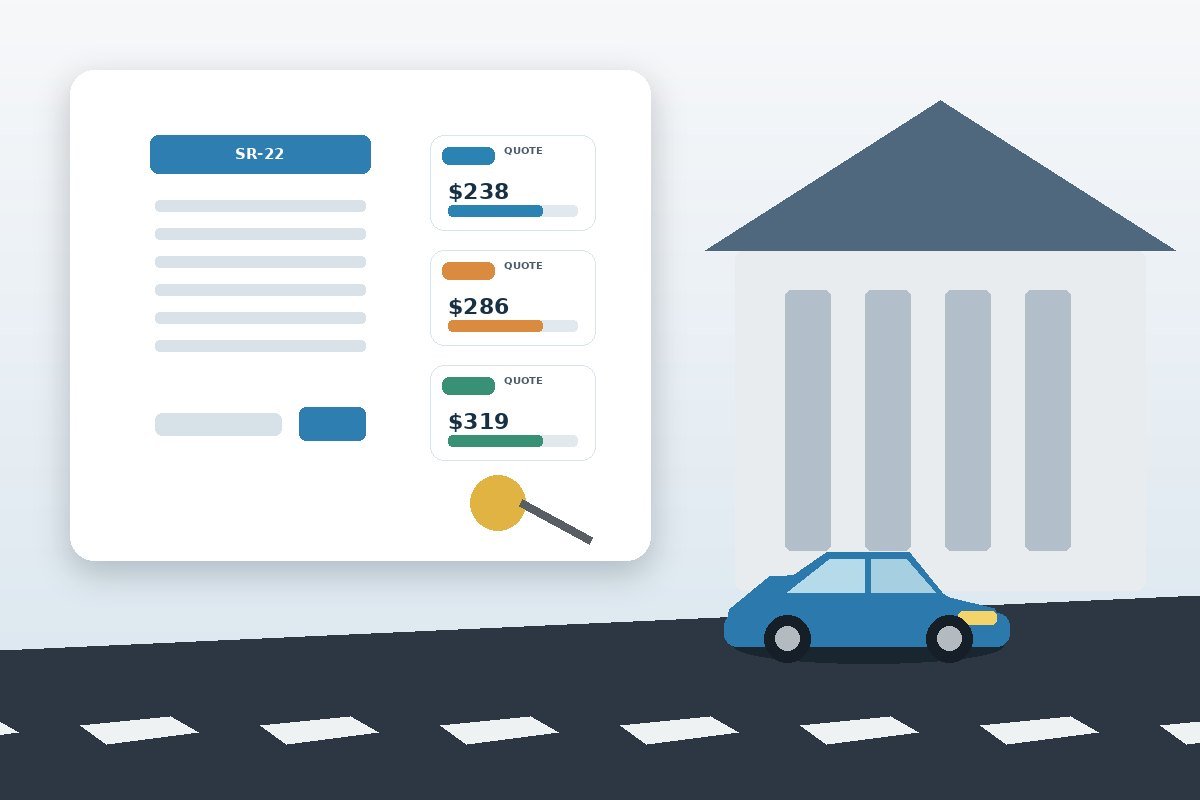
Consider a clean-record driver comparing three equivalent policies. One insurer might charge $1,780 per year, another $2,350 and another $3,120. These are illustrative figures, but they show why switching companies could potentially save more than $1,000 without reducing coverage.
Deductibles also affect the final cost. A $1,000 collision deductible normally produces a lower premium than a $250 deductible because the policyholder accepts a larger share of each covered loss.
That saving is only worthwhile when the deductible is affordable. Someone without emergency savings may receive better practical protection from a slightly higher premium with a $500 deductible than from a cheaper policy requiring $2,000 after a crash.
Factors That Affect Your Insurance Premium
Your driving record can have a major influence on what you pay. NerdWallet’s August 2026 analysis found an average full-coverage rate of $2,356 for its clean-record profile, compared with $3,529 after one at-fault accident and $4,469 after a DUI.
Age and driving experience matter because insurers use them when estimating the likelihood of a claim. Younger drivers frequently pay more, although premiums may improve as they gain experience and maintain a clean record.
Your address affects rates because repair expenses, traffic density, theft, severe weather and claim patterns vary between locations. Moving to another state—or sometimes another ZIP code—can change the price even when your vehicle remains the same.
The car itself is equally important. Luxury vehicles, sports cars and models with costly sensors or specialist parts may be more expensive to repair. A modest vehicle with strong safety features and widely available components may attract a lower premium.
Other possible pricing factors include annual mileage, vehicle use, previous claims, household drivers and coverage history. Where state law allows it, credit-based insurance information may also affect the premium.
Comprehensive Car Insurance KSA: How Saudi Coverage Differs
Drivers researching comprehensive car insurance KSA should not assume it works exactly like an American policy. Saudi Arabia has formal Comprehensive Motor Insurance Rules that establish minimum coverage standards for non-compulsory comprehensive policies.
Under those rules, comprehensive coverage includes damage or loss to the insured vehicle from covered risks, including fire, theft, lightning, floods and hail. It also includes towing and storage protection and incorporates third-party civil liability according to the compulsory Saudi motor policy.
Saudi insurers must offer certain optional benefits during the negotiation stage. These can include a replacement rental vehicle, roadside assistance, personal accident or medical benefits for the insured driver, and coverage for accidents outside Saudi Arabia. The customer may accept or reject these options.
The deductible and insured value should be clearly stated in the policy schedule. Saudi rules also distinguish between partial damage and technical or economic total loss, making the vehicle’s agreed insured value particularly important.
As an official illustration for financially leased vehicles, Saudi rules show a car valued at SAR 100,000 with a SAR 4,000 premium reduced to SAR 2,800 after an example 30% no-claims discount. This is an explanatory regulatory example rather than a guaranteed market rate, but it demonstrates how vehicle value and claim-free discounts can affect the cost.
When comparing comprehensive car insurance KSA, check whether repairs will be completed at a dealership or approved workshop. You should also compare the deductible, roadside assistance, replacement-car allowance and geographic limits rather than focusing only on the annual premium.
How to Get the Best Rate and Avoid Costly Mistakes
Begin by requesting at least three quotes with identical limits and deductibles. A $1,700 policy with low liability limits and a $1,500 deductible is not directly comparable to a $2,000 policy offering stronger liability protection and a $500 deductible.
Ask about bundling, multi-car, low-mileage, safe-driver and usage-based insurance discounts. Judge discounts by the final premium because a large advertised percentage does not always produce the lowest overall price.
Owners of older paid-off cars should compare the annual collision and comprehensive premium with the vehicle’s current value. Dropping these coverages may be reasonable when the potential claim payment is small, but only when you could afford to repair or replace the car yourself.
Do not reduce liability limits simply because your vehicle is old. Liability protects you against claims from other people, so the value of your own car does not determine how much damage you could cause.
Another common mistake is assuming every driver and use of the vehicle is automatically covered. Tell the insurer about household drivers, rideshare work, business use and regular delivery activity before purchasing the policy.
Finally, never cancel your existing policy until the new one is active. Confirm the effective date, final premium, listed drivers and insurance documents before ending the previous coverage.
Frequently Asked Questions
Is full coverage required by law?
States generally require particular liability and related coverages rather than a policy officially called full coverage. Collision and comprehensive are usually optional under state law, although a lender or leasing company may require them.
Does full coverage pay off my entire car loan after a total loss?
Not necessarily. Collision or comprehensive insurance usually pays according to the covered value of the vehicle, subject to the policy terms and deductible. Gap insurance may be needed when the loan balance exceeds the vehicle’s claim value.
When should I remove collision and comprehensive coverage?
Consider the vehicle’s current value, deductible, annual premium and your ability to replace the car. Removing coverage may make sense for some low-value paid-off vehicles, but not when losing the car would create a serious financial problem.
Is comprehensive car insurance KSA mandatory?
Comprehensive insurance is described in Saudi rules as non-compulsory, while third-party motor liability forms the compulsory foundation. Financed or leased vehicle agreements may still require broader protection.
Conclusion
Broader auto insurance can protect your vehicle against crashes, theft, weather and other expensive losses, but the words “full coverage” should never replace a careful policy review. Check the liability limits, deductibles, optional benefits and exclusions before deciding what is suitable.
Compare several equivalent offers in the United States or Saudi Arabia and select a deductible you could realistically pay. Request full coverage auto insurance quotes today to find dependable protection at a price that fits your budget.